Surfaces Designed for Constant Cleaning Routines
Concrete Polishing Services in Los Angeles for warehouses and retail spaces that require dust-proof floor systems and minimal downtime
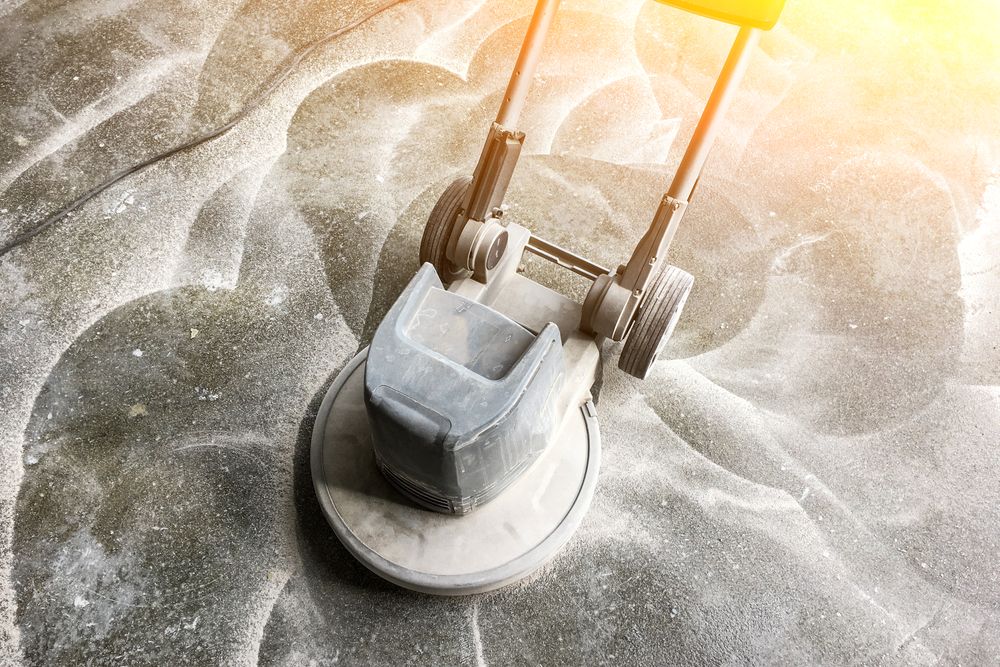
Polished concrete eliminates the fine dust that untreated slabs release as forklifts and foot traffic gradually abrade the surface. Resin Flow Co grinds residential and commercial concrete through progressively finer diamond abrasives until the surface reaches a high-gloss finish that reflects overhead lighting and resists liquid absorption. The process densifies the top layer of the slab, creating a wear surface harder than the original concrete.
This service involves mechanical grinding rather than topical coatings, so there's no film to wear through or delaminate. Each pass with finer-grit diamonds exposes more of the concrete's natural aggregate and tightens the surface pores. The result is a low-maintenance flooring solution that doesn't require waxing, stripping, or recoating on a schedule.
Arrange an on-site assessment to determine the current slab condition and which gloss level matches your facility's lighting and aesthetic goals.
How Polishing Addresses Dust and Wear
Diamond grinding removes the weak surface layer where most dusting originates, then chemical densifiers penetrate the concrete and trigger a reaction that hardens the calcium compounds within the matrix. The combination of mechanical refinement and chemical hardening produces a surface that holds up under wheeled traffic without generating the powder that coats products, clogs HVAC filters, and requires constant sweeping.
After polishing, you'll see the floor maintains its appearance with dry dust mopping instead of wet mopping and chemical cleaners. Spills sit on the surface long enough for cleanup before they penetrate, and tire marks from pallet jacks wipe away without scrubbing. The reflective finish also brightens interior spaces by bouncing light upward, which can reduce supplemental lighting needs in some commercial applications.
The level of gloss depends on how many grinding steps are completed and whether a final burnishing pass is included. Higher gloss levels show more aggregate exposure and provide greater light reflectivity, while lower gloss levels maintain a matte appearance with similar durability benefits. The choice affects maintenance routines, since higher gloss surfaces show scuffs more readily but also clean more easily.
Common Questions About This Service
Polishing works differently than coating systems, and the process depends heavily on the existing slab's condition and the level of finish required.
What types of concrete are suitable for polishing?
Slabs with adequate hardness and minimal spalling or deep cracking polish well, while soft or heavily damaged concrete may require repair or overlay before polishing can proceed. The existing aggregate type also affects the final appearance, since polishing exposes whatever stone is present in the mix.
How does the dust-proof quality develop during the process?
Densifiers penetrate several millimeters into the surface and react with free lime in the concrete to form a harder crystalline structure. This chemical change, combined with the mechanical closure of surface pores through grinding, stops the slab from shedding fine particles during use.
When is polished concrete a better choice than an epoxy coating?
Polishing makes sense for facilities that experience heavy wheeled loads or abrasive conditions where coatings would wear through quickly. It also works in spaces where off-gassing or odor from coating application would disrupt operations, since polishing is a mechanical process without solvent emissions.
What maintenance does a polished floor require over time?
Routine dry mopping removes loose debris, and periodic damp mopping with neutral cleaners handles spills. High-traffic areas may need burnishing every few years to restore gloss, but there's no schedule for stripping and recoating as with waxed or coated floors.
How long does polishing take for a typical commercial space in Los Angeles?
Duration depends on square footage, slab condition, and the number of grinding steps required to reach the specified gloss level. Most projects involve multiple days of grinding with equipment running during off-hours to avoid disrupting business operations.
Resin Flow Co evaluates slab hardness and moisture levels before recommending a polishing specification, since these factors determine which diamond sequences and densifier products will produce the desired outcome. Request a floor assessment to review options for both residential and commercial applications.
Financing Available
Make Your Flooring Project Affordable
Resin Flow Co delivers high-quality, durable, and stylish resin flooring solutions for residential, commercial, and industrial spaces. With a focus on craftsmanship, customer satisfaction, and innovative design, we bring flooring visions to life—seamlessly and affordably. Get in touch today for a free quote or consultation.