Floors That Handle Real Workshop Use
Garage Floor Coatings in Los Angeles for high-traffic residential spaces exposed to oil, chemicals, and constant vehicle weight
Resin Flow Co installs garage floor coatings designed for the conditions inside working garages—vehicles that leak fluids, dropped tools, chemical spills, and the constant weight shifts from tires turning in place. Polyaspartic and epoxy systems bond directly to properly prepared concrete, creating a sealed surface that resists penetration from oil and automotive fluids. Los Angeles garages often face temperature swings between morning cool and midday heat, which means coatings need flexibility to expand and contract without cracking or delaminating from the slab.
The coating process begins with surface preparation, which involves grinding the concrete to remove any existing sealers, oils, or contaminants that would prevent proper adhesion. Epoxy garage floor systems are applied in multiple layers, starting with a primer coat that penetrates the concrete pores, followed by a base coat that provides thickness and durability, and finishing with a topcoat that adds slip resistance and UV stability. Polyaspartic coatings cure faster than traditional epoxy, allowing same-day or next-day use in many cases, while still delivering oil and stain resistance that prevents fluids from soaking into the concrete.
Request a garage assessment to review your current floor condition and coating options.
What Proper Surface Preparation Requires
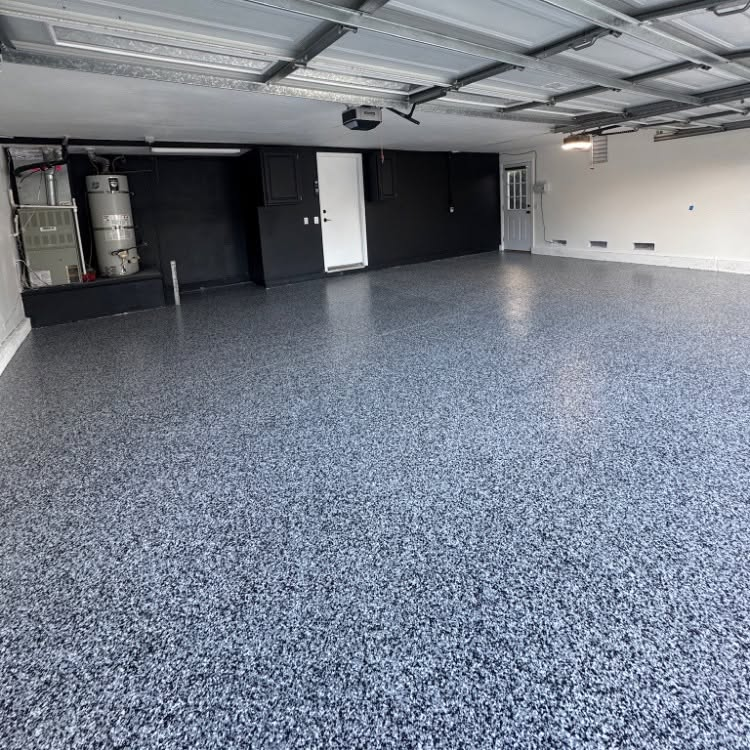
You notice the difference in how liquids behave on the finished surface—oil, brake fluid, and antifreeze bead up instead of soaking in, which means spills wipe away without leaving permanent stains. Slip-resistant finishes are created by broadcasting aluminum oxide or polymer grit into the topcoat while it's still wet, providing traction even when the floor is damp. The coating fills in the small pores and surface imperfections in the concrete, which eliminates the dust that untreated garage floors release over time.
Once cured, the floor develops a continuous surface that's easier to sweep and mop than bare concrete, because dirt and debris no longer settle into the porous texture of the slab. Custom color options let you match the floor to the rest of your property or create contrasting borders and patterns, though lighter colors will show tire marks more readily than darker tones. The coating thickness and number of layers affect both durability and cost, with thicker multi-layer systems standing up better to heavy use in garages that function as workshops or storage areas.
Residential garage upgrades typically include edge detailing where the floor meets walls and door thresholds, ensuring the coating terminates cleanly without creating a trip hazard or exposed edge that can peel over time. The system doesn't repair structural cracks in the concrete itself, so any movement or settling in the slab will eventually telegraph through the coating. Proper installation requires the concrete to be fully cured and dry, which means newer slabs need adequate time before coating application.
Questions Before Starting Your Project
Property owners in Los Angeles often ask about the preparation process and what determines how long the coating lasts under regular use.
What happens if the concrete has existing cracks or damage?
Surface preparation includes grinding and cleaning, but structural cracks require repair with epoxy crack filler or polyurea injection before the coating is applied, otherwise the crack will reappear through the finished surface as the slab moves.
How long before you can park vehicles on the new coating?
Polyaspartic coatings typically allow light foot traffic within a few hours and vehicle traffic within 24 hours, while traditional epoxy systems may require 48 to 72 hours for full cure depending on temperature and humidity levels in the garage.
Why do some garage coatings fail or peel within a few years?
Inadequate surface preparation is the most common cause—if oils, sealers, or contaminants aren't fully removed through grinding, the coating won't bond properly and will eventually lift or delaminate from the concrete.
What's the difference between epoxy and polyaspartic coatings for garage floors?
Epoxy provides thicker build and more color options but takes longer to cure, while polyaspartic cures faster and resists yellowing from UV exposure, making it a better choice for garages with windows or direct sunlight in Los Angeles.
How do you maintain a coated garage floor over time?
Regular sweeping and occasional mopping with a neutral pH cleaner keeps the surface clear of dirt and grit that can cause scratches, and addressing any chemical spills promptly prevents prolonged exposure that could dull the finish.
Resin Flow Co handles garage floor coating projects throughout Los Angeles, from single-car residential garages to multi-bay workshop spaces. Schedule an on-site consultation to review your floor's current condition and coating system options.
Financing Available
Make Your Flooring Project Affordable
Resin Flow Co delivers high-quality, durable, and stylish resin flooring solutions for residential, commercial, and industrial spaces. With a focus on craftsmanship, customer satisfaction, and innovative design, we bring flooring visions to life—seamlessly and affordably. Get in touch today for a free quote or consultation.